
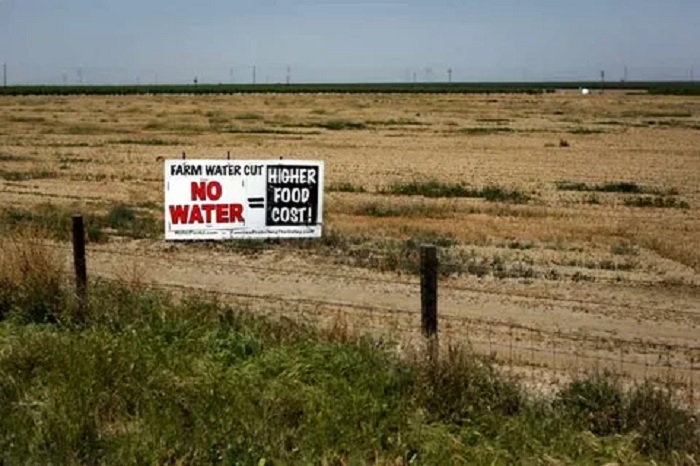
For decades, California has been facing the problem of water scarcity. Droughts, climate change, population growth and increased water consumption are putting a serious strain on existing infrastructure. Restrictions on water use, environmental initiatives, and measures to reduce consumption are often discussed in public space. However, more and more experts agree that the long-term solution to the problem lies not only in the introduction of bans, but also in the widespread introduction of modern engineering technologies. You can find out more news on industrypulse.media.
Why are restrictions alone not enough?
During dry periods, authorities regularly impose restrictions on lawn watering, car washing, and other types of domestic water consumption. Such measures do make it possible to temporarily reduce resource consumption, but they do not eliminate the main problem — the low efficiency of existing water supply systems.
A significant part of the water is lost due to worn-out pipelines, outdated equipment and insufficient control over the allocation of resources. Therefore, even the strictest restrictions are not able to fully compensate for technological losses. You should check the news on https://industrypulse.media/.
An engineering approach to water management
According to experts, the future of water supply is connected with intelligent resource management. Modern technologies allow you to:
- monitor water consumption in real time;
- promptly detect leaks;
- automatically adjust the operation of engineering systems.
Digital sensors, smart meters, remote monitoring systems, and analytical platforms help utilities obtain accurate information about the state of their networks and respond quickly to emerging issues. This approach significantly increases the efficiency of using each liter of water.
In addition, engineering solutions make it possible to optimize the operation of pumping stations, reduce energy consumption and reduce operating costs. Modern technologies are becoming an important part of a sustainable water management strategy. Systems for the reuse of purified water, automated irrigation management, digital models of water supply networks, and consumption forecasting technologies are being increasingly introduced.