
Table of Contents
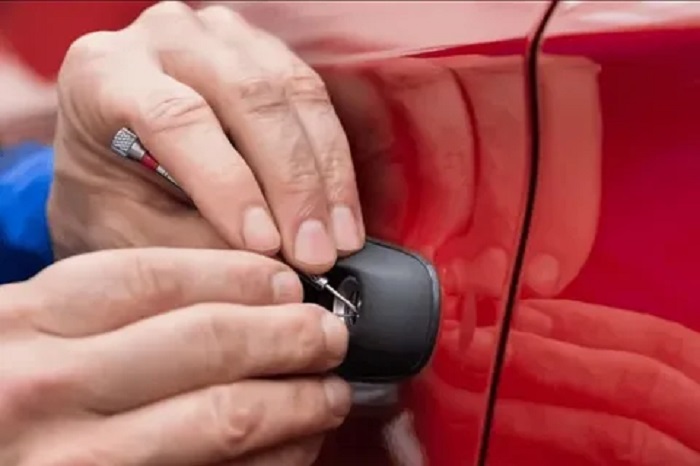
Car opening is a set of procedures for safely opening doors, trunks, or accessing the interior when keys are lost, locks are jammed, locks are activated, or in other situations where normal access is impossible. It’s important to distinguish professional opening from attempted “break-ins”: the goal is to preserve the integrity of the lock, paintwork, and electronics, and to operate strictly within the law.
To ensure the procedure is quick and risk-free, it’s important to understand the required documents, the methods applicable to different types of locks and systems, and how to prepare for the technician’s visit. Below on https://solidcarlocksmith.ca/ are practical requirements, rules, and tips to help avoid mistakes and additional costs.
Safe Opening Rules: How to Do It Right
The main rule is to minimize damage. Modern cars are equipped with complex lock cylinders, anti-pick protection, sensors, dual locking circuits, and electronic immobilizers, so there are no universal, risk-free “quick” methods.
Common Methods and Their Limitations
- Non-destructive methods: selecting the correct technique for a specific lock/model, careful handling of the mechanism, access through standard access points. This approach is preferred, but requires skill.
- Creating access through technological gaps: Use with extreme caution to avoid damaging the seals, door frame, and glass.
- Emergency opening with replacement: If the lock is mechanically jammed, damaged, or has previously been roughly opened, it is sometimes cheaper and safer to open it and then replace the cylinder/mechanism.
Undesirable actions: attempting to pry the door open with improvised objects, random drilling, applying force to the handles and cylinder. This often leads to door distortion, cracked paintwork, broken rods, and costly repairs.
Features of cars with a “smart” key and automatic locking
- Keyless systems can block access if the key fob battery is dead or there is a malfunction; Sometimes a mechanical key insert, if available, helps.
- A double deadlock can make opening the car from the inside difficult, even if the interior is accessible.
- Security systems (alarms, immobilizers) require care: incorrect actions can cause false alarms, a blocked start, or electronic errors.
How to choose a contractor and verify their integrity
- Clarify their specialization: do they work specifically with cars, not “everyone.”
- Ask about the methods: a professional will explain what they will do and outline the risks for a specific situation.
- Ask for a price range before departure and additional payment options (night, highway, complex lock, dead battery).
- Check the documents/receipt: normal practice is to place an order and confirm Services.
If you need additional materials and analysis of typical cases, more about car unlocking can be found on the website.
When is it acceptable to unlock a car without a key: situations considered legal
The legality of unlocking a car without a key is determined not by a “verbal reason,” but by the right to access the car and the absence of evidence of illegal intent. The more clearly your right of ownership/use is confirmed and the more appropriate the method and contractor are chosen, the lower the risk of claims from the police, the owner, or the insurer.
It’s important to remember: even if there is an objective need (for example, keys left inside), unlawful actions can result in liability if someone else’s property is damaged, the terms of the contract are violated, or documents confirming your right to the car are missing. In disputed cases, it’s safer to engage official services or a professional mechanic to document the work.
Legal Situations
- You are the owner of the vehicle and cannot get inside due to a lost or broken key, a dead key fob or battery, or the locks not locking.
- You are the legal user (insured, have a power of attorney, a rental/car sharing agreement, or official use) and are acting within the limits of your rights.
- Emergency: urgent access is required to prevent harm to life or health (e.g., a child/person in a dangerous condition inside the vehicle) or to eliminate an immediate threat (smoke, fire risk). If possible, record your call to emergency services.
- Actions on behalf of authorized persons: service, towing, security, or other service employees acting on the basis of a contract/request and with confirmation of authority.
- Fulfilling the legal requirements of government agencies: opening as part of procedural actions or to ensure security, when it is carried out by authorized persons according to the established procedure.
Bottom line: opening a car without a key is permissible when you have a legal right of access or there is a justified emergency need, and the actions are performed carefully and, if possible, with confirmation of authority (documents, application, service call). In all other cases, opening the door may be classified as illegal interference and result in liability.